
Projects
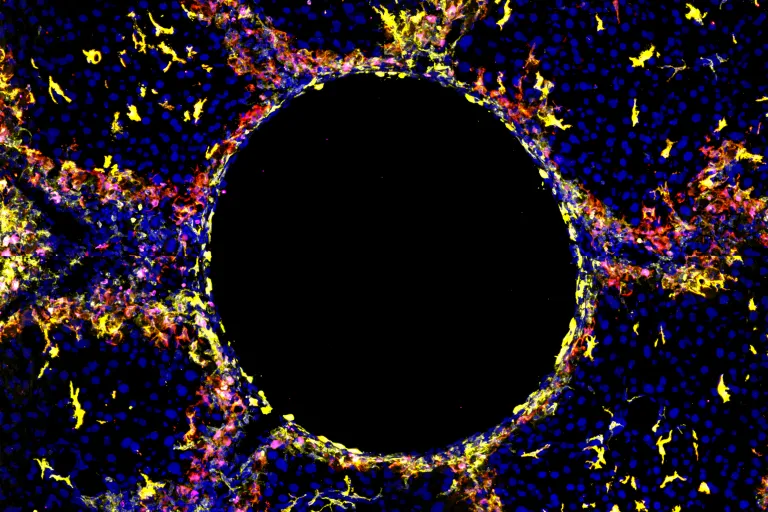
LAMs/LAM-like KCs
The lipid-associated macrophage (LAM) phenotype that we and others have recently described, represents a conserved activation state of macrophages, both resident and recruited alike in the inflamed liver. Moreover, similar populations of recruited macrophages have been described across a range of inflammatory contexts including in cancers. Our current view on the functionality of these cells is that they may be somewhat immunosuppressive, which in the context of repair is beneficial but in cancers may be detrimental. As such these cells have potential to be exploited therapeutically. However, we still lack a full understanding of the factors governing this phenotype and functional studies remain limited. Thus, one goal for the lab is to address these gaps in our knowledge. This project is being spearheaded by postdoc Dr Wouter T’Jonck (funded by a Marie Curie Postdoctoral Fellowship) and PhD student Anna Zanotto.

KC activation in MASLD
Despite the current hypothesis being that macrophage activation would drive MASLD progression, there is limited evidence to support this as previous studies have not considered how heterogeneous these cells are. This has led to confusion regarding whether macrophages are indeed activated or rather just different cell types with different activation states are recruited. Moreover, the type of diet used to induce MASLD in mice may also have an impact on the degree of macrophage activation observed. Therefore, PhD student Zhuangzhuang Liu (funded by a CSC scholarship) is investigating how/if resident KCs are activated in MASLD and how activation of these cells may impact MASLD progression.

Myeloid cells in MASLD-HCC
MASLD represents a spectrum of disease states ranging from asymptomatic lipid accumulation (simple steatosis) to inflammation and fibrosis (steatohepatitis) and cirrhosis. Eventually patients with MASLD can also progress to liver cancer (hepatocellular carcinoma, HCC). We are also interested in how macrophages contribute to this progression through their presence or absence in the tissue, their activation and their crosstalk with other cells in the liver. Postdoc Dr Paul Collins (funded by FWO) is specifically interested in the crosstalk between macrophages and endothelial cells in MASLD-HCC progression while PhD student Sara Maggiore (funded by FNRS) in a collaborative research effort supported by Stichting tegen Kanker with the team of Prof. Esteban Gurzov at ULB, is interested in the crosstalk between macrophages and hepatocytes and the differences between patients that progress to HCC in the presence or absence of cirrhosis.
Myeloid cells in infection +/- fibrosis
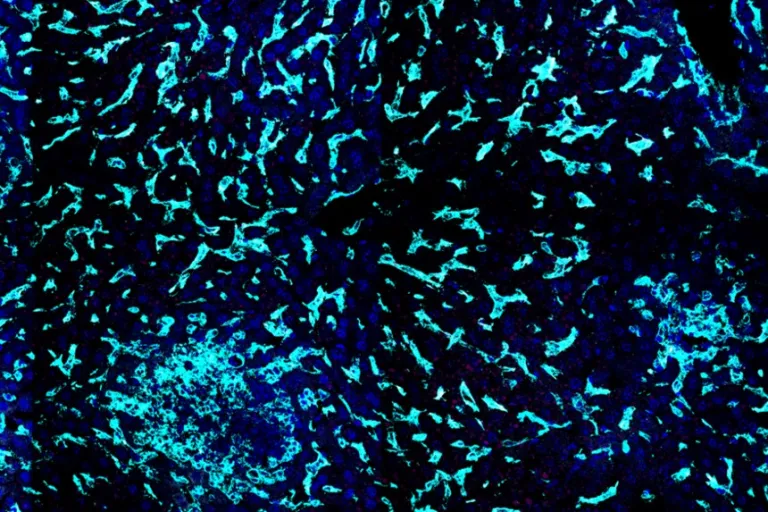
We are also interested in how the myeloid cells respond in the context of infections and how these cells/responses can be manipulated for improved outcome. Along these lines there are two projects running in the lab. One project, led by postdoc Dr Christian Zwicker, is investigating how KC activation alters our ability to respond to systemic infections. The second project, led by postdoc Dr John McKendrick, is investigating how fibrosis alters the macrophage pool and hence our ability to respond to infection.

Engineering anti-fibrotic macrophages
In a collaborative effort with Novo Nordisk, PhD student Lydia Gonzalez Del Barrio is investigating the different subsets of macrophages present in the liver in mice recovering from fibrosis and how these cells could be engineered for therapeutic purposes.
MASLD memory
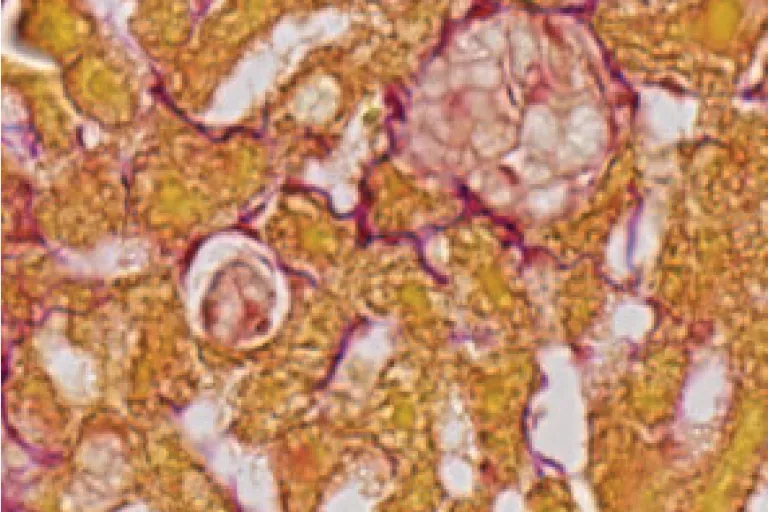
In a collaborative effort with the team of Prof. Martin Guilliams, Postdoc Dr Pieter Louwe (FWO & Marie Curie funded) is investigating if and how macrophages retain a memory of MASLD and obesity following weight loss. We are specifically interested in how the macrophages are changed in MASLD, how these changes persist after weight loss and the consequences of this memory for subsequent inflammatory events, including repeated weight gain, fibrosis and infection.
Dendritic cells
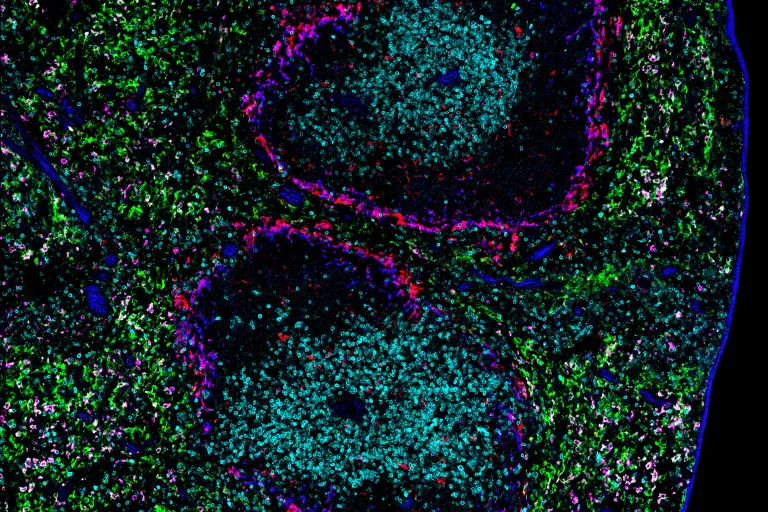
As a lab we are also interested in the functional heterogeneity of Dendritic cells, the factors regulating their development and the impact of the cells on health and disease. PhD student Bram Verstappe (funded by FWO) is investigating cellular crosstalk between cDC1s and macrophages in the spleen upon loss of a transcription factor – ZEB1 from cDC1s.
We are also investigating DC heterogeneity in the liver in the different injury models we also use for our macrophage research including MASLD, acute liver injury, infection and chronic fibrosis. This project is being led by PhD student Shuting Zhang (funded by a CSC scholarship).
Neuroblastoma
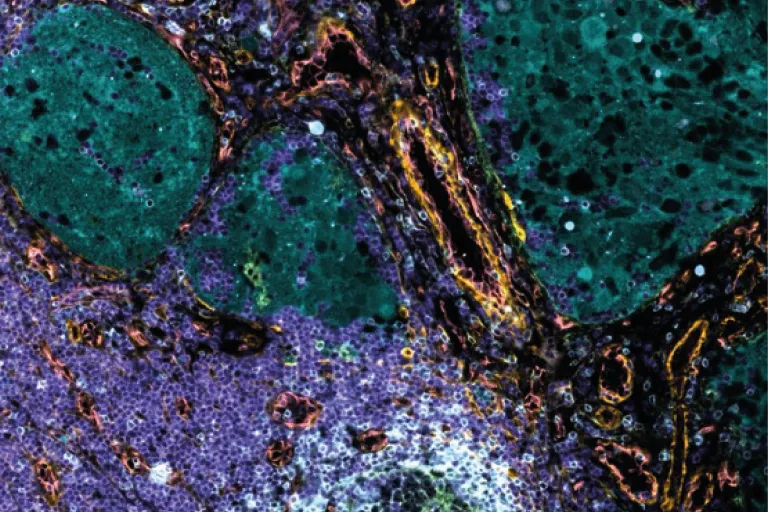
While mainly focused on the liver, the lab has also recently become interested in myeloid cell functions in the context of Neuroblastoma. This collaboration between the Scott lab, the De Preter lab (VIB-UGent), the Goosens lab (UGent) and the Durinck lab (UGent) involves the spatiotemporal profiling of patient and mouse models of this pediatric cancer to dissect the complex interplay between myeloid cells, other immune cells and tumor cells in the tumor microenvironment. Projects in this theme are led by postdoc Dr Annelies Hemelryk and PhD student Lasse Vleminckx.
Liver Organoids
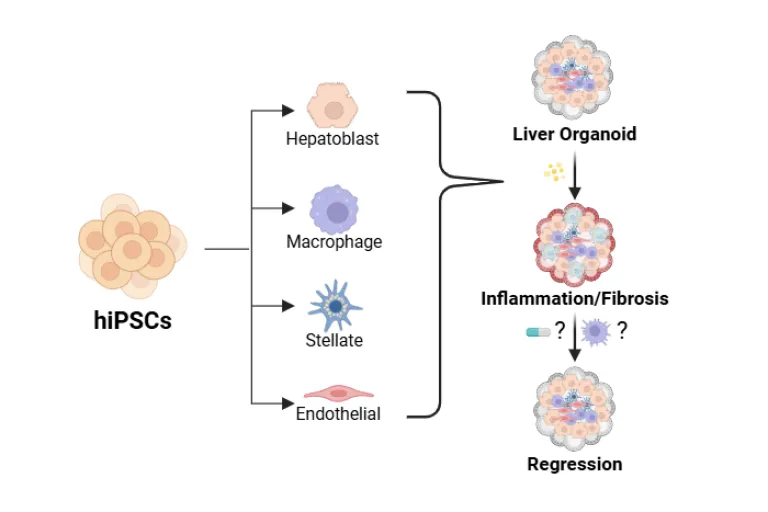
Liver organoids comprising the major cell types of the hepatic niche including hepatocytes, macrophages, stellate cells and endothelial cells, can recapitulate key features of the human liver in vitro. Led by our postdoctoral researcher Burak Toprakhisar, this project aims to generate multicellular liver organoids to model liver inflammation and fibrosis in vitro. In our lab, we generate these four cell types from human induced pluripotent stem cells (hiPSCs) and combine them in multicellular liver organoids. By exposing these organoids to disease-relevant artificial stressors, we investigate how interactions between the different cell populations (particularly the activation and functional state of macrophages) contribute to disease progression, as well as regression. Ultimately, this project aims to identify cellular interactions and macrophage states that could be therapeutically targeted to limit fibrosis or promote liver repair.